Bedding · Practical Guide
Wool Mattress Toppers: A Practical Guide to Natural Temperature Regulation
Wool can soften a mattress while helping manage moisture and temperature through the night. The right topper depends on the feel you want, how it fits your bed, and how much care you are prepared to give it.
Sleep happens in a small landscape of its own: sheets, blankets, mattress, and the shifting warmth of a body at rest. Within that landscape, a wool mattress topper is a modest layer with a particular character. It does not replace the mattress beneath it or correct every source of discomfort. Instead, it can add gentle cushioning and help create a more balanced-feeling surface by responding to moisture and warmth.
That distinction matters. A topper is an adjustment to the sleep surface, not a new foundation. If a mattress is sagging, unstable, or no longer supportive, a soft layer is unlikely to solve the underlying problem. But when the mattress is structurally sound and simply feels too firm, too cool, or less inviting than it once did, wool may be worth considering.
For Fort Worth sleepers, seasonality is part of the decision. Warm nights, air conditioning, changing humidity, and individual differences in how people feel temperature all shape bedding comfort. Wool is often described as temperature-regulating, but that phrase is not a promise of a fixed temperature or a cure for overheating. It points instead to a material that can take up moisture vapor and release it, helping the sleep environment feel less clammy for some people.
What a wool mattress topper does
A mattress topper sits between the mattress and the fitted sheet. Its first job is to change the surface feel. Depending on construction, a wool topper may add a little softness, reduce the hard impression of a firm mattress, or create a more cushioned transition beneath the sheet. The effect varies with the quantity and arrangement of wool, the cover fabric, the topper’s thickness, and the sleeper’s body weight.
Wool fibers have a naturally crimped structure, and wool can absorb water vapor without immediately feeling wet to the touch. In bedding, this moisture-handling quality may help moderate the damp feeling that can develop when warmth and perspiration build under covers. The fiber does not actively cool a person like a fan or air conditioner. Rather, its behavior can contribute to a surface that feels more even and comfortable as conditions change.
That can be useful in a room where the thermostat, bedding layers, or outdoor weather vary from night to night. It can also appeal to people who dislike the slick or deeply conforming feel of some foam toppers. Wool generally offers a more buoyant, softly padded sensation, though the exact feel depends on the construction and how densely the filling is packed.
Temperature regulation without the miracle claims
“Temperature regulating” is a convenient phrase, but it can suggest more certainty than bedding can deliver. No topper can guarantee cool sleep in a hot room, compensate for heavy blankets, or address every cause of night sweating. Body temperature, room temperature, airflow, pajamas, bedding, health, and personal preference all influence comfort.
Wool’s contribution is more specific: it can absorb and release moisture vapor and has insulating properties. That combination may help some sleepers feel less chilled when a room is cool and less damp when the body warms the bed. It does not mean wool produces cooling, nor that every wool-filled product performs identically. Fiber quality, fill weight, quilting, cover material, and the layers above it all affect the result.
In a warm Texas climate, it is helpful to consider the whole bed rather than ask one layer to do everything. Lightweight sheets, breathable sleepwear, a suitable room temperature, and air circulation may matter as much as the topper. If a bedroom stays hot and humid, a thick wool layer under a heavy comforter may not be the right arrangement. A thinner, more breathable setup could be more comfortable, though personal testing is the best guide.
People who experience persistent night sweats or sudden changes in temperature comfort should not assume bedding is the only explanation. A clinician can help assess recurring symptoms. A topper is a comfort choice, not a medical treatment.
Cushioning, support, and mattress condition
Wool toppers tend to change the surface sensation rather than provide the deep, molded contouring associated with thick foam. Some sleepers value that gentle cushion because it makes a firm bed feel less severe while keeping the underlying mattress’s basic character. Others may find that wool feels too subtle, especially if they are seeking substantial pressure relief at shoulders or hips.
Think of the topper as a finishing layer, not a repair kit. If you feel a dip, a broken spring, or a persistent loss of support, adding filling on top can sometimes mask the problem briefly without resolving it. It may also make alignment less comfortable if the surface becomes uneven. Check the mattress itself, its foundation, and the manufacturer’s guidance before layering anything over it.
Sleeping position offers a useful starting point, but it is not a formula. Side sleepers often want more cushioning around the shoulder and hip; back sleepers may prefer a surface that feels gently padded but still stable; stomach sleepers commonly need to avoid excessive softness that allows the midsection to sink. Body shape, weight distribution, mobility, and personal comfort all complicate these broad tendencies. A trial at home, where available, can be more informative than a label such as “plush” or “medium.”
How to compare wool toppers
1. Look at the fill and construction
Product descriptions may identify the fill as wool, but the details behind that word matter. Check whether the filling is wool batting, loose wool, or a blend, and whether the maker states the fill weight or describes how it is distributed. Quilting can help keep filling in place, while the spacing and pattern of the stitches influence how the topper flexes and feels. A sparse, lightweight layer will generally offer a different experience from a more substantial pad.
Ask whether the wool is certified or traceable if those qualities matter to you. Terms such as “natural,” “organic,” and “responsibly sourced” can refer to different standards. Read the specific certification information rather than relying on a broad marketing phrase. Also check the cover fabric: cotton is common, and its weave and weight can affect softness and airflow.
2. Choose thickness with realistic expectations
Thickness can be hard to compare because a topper may be measured before use, after quilting, or in a way that does not predict how much it compresses beneath a sleeper. A lofty-looking product can settle as the wool shifts and compresses. Rather than focusing on a single number, look for information about fill quantity, construction, and the expected change in feel.
If you want a slight softening, a thinner pad may be enough. If you want a more noticeable cushion, a fuller construction may be appealing, but it still may not feel like a thick foam topper. Wool’s springy, padded quality is distinct. Reading care and return policies can help reduce uncertainty when a product’s feel is difficult to judge online.
3. Measure the mattress and check the fit
A topper that shifts or bunches can become an irritation, even if its materials are comfortable. Confirm the bed size and measure the mattress depth, including any existing pad or protector that will remain underneath. Check whether the topper has corner straps, a fitted skirt, elastic edges, or a simple lay-on design. Each attachment method behaves differently, and none is automatically best for every bed.
Deep mattresses, pillow tops, and adjustable bases deserve special attention. A fitted style must have enough pocket depth to reach around the mattress securely. A flat topper with straps may be easier to position on some beds, but straps need to accommodate the mattress’s full depth and movement. For an adjustable base, confirm that the topper is designed to flex with the bed and will not pull loose as the head or foot rises.
4. Consider the care commitment
Wool is not always machine washable. Some wool toppers are spot-clean only, some require professional cleaning, and others have specific hand-washing or machine-washing instructions. Follow the maker’s care label rather than assuming that all wool can be laundered the same way. Heat, agitation, unsuitable detergent, or careless drying can shrink, distort, or felt wool fibers.
A removable, washable cover may make routine care simpler, but it does not necessarily mean the wool fill itself can be washed. Ask what the care instructions apply to: the cover, the complete topper, or only small stains. If easy laundering is a priority, that should be a deciding factor before purchase, not a discovery after a spill.
Keeping a wool topper fresh
Regular care usually begins with prevention. Use a clean fitted sheet and, if needed, a mattress protector that is compatible with the topper. A protector can help shield the mattress from spills, but its material may change the surface feel or airflow. If you use one, consider where it sits in the bedding layers and whether its construction suits your priorities.
Follow the manufacturer’s directions for airing, rotating, spot cleaning, and laundering. Allowing bedding to dry fully after washing or after a spill is important; damp materials can develop unpleasant odors and may be damaged if stored too soon. Avoid placing wool near direct heat unless the care instructions explicitly allow it. For small marks, use only the recommended method and test carefully where appropriate.
Some filling may settle or compress with use. Whether a topper can be shaken, rotated, or gently redistributed depends on its construction. Do not assume that vigorous beating or frequent washing will restore loft. With careful handling, wool bedding can remain useful for years, but lifespan depends on material quality, use, climate, and maintenance.
Wool compared with other mattress layers
There is no universal best topper material. Cotton pads often provide a breathable, familiar surface with modest cushioning. Down or down-alternative fills can feel lofty and soft, although warmth, washability, and fill movement vary. Latex tends to feel responsive and springy, with more pronounced contouring than many wool pads. Foam can offer closer body-conforming pressure relief, but some sleepers notice heat retention or a slower response, depending on the foam and its design.
Wool sits in a different part of the spectrum: a natural fiber layer with gentle cushioning and moisture-handling characteristics. It may appeal to someone who wants softness without a deeply enveloping feel, or who values natural materials. But preference is personal. A material’s reputation cannot substitute for checking construction, care instructions, fit, and the feel of the actual bed.
Layering also changes performance. A wool topper beneath a waterproof barrier may feel different from one directly under a cotton sheet. A thick mattress protector, tightly woven sheets, or a heavy comforter can influence airflow and moisture movement. When comparing materials, think about the complete sleep system rather than evaluating the topper in isolation.
A wool bedding option to explore
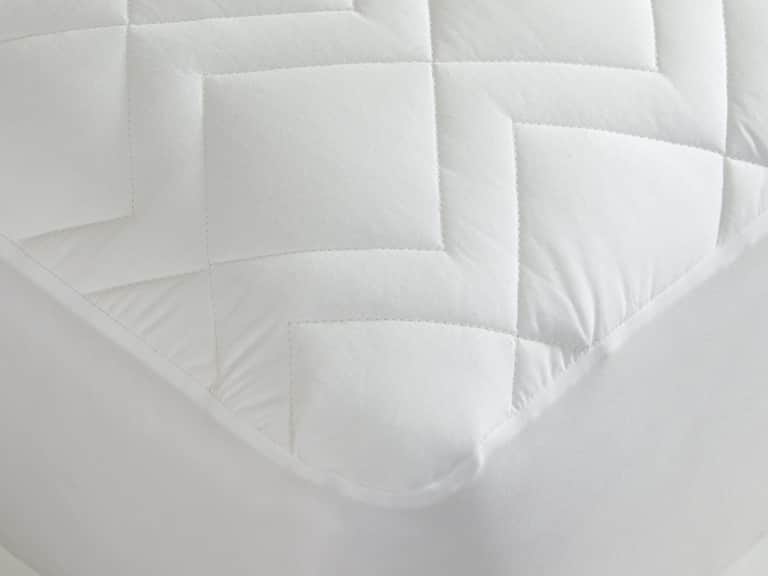
For readers comparing wool bedding, the DownTown Company Wool-Filled Mattress Pad is described as having 100% Merino wool fill, a quilted cotton jersey cover, and elastic corner bands. Its listed care is dry clean, so it may suit someone who values a wool-filled layer and is comfortable with that maintenance requirement. Confirm current sizing, fit, and care details before deciding whether it matches your mattress and routine.
A Fort Worth checklist before buying
In Fort Worth, comfort can shift with the season, the room’s air conditioning, and the bedding already on the bed. A few practical checks can make comparison more useful than choosing by a single promise on a label:
- Identify the problem you want to solve: a firm surface, mild lack of cushioning, moisture discomfort, or simply a preference for natural fibers.
- Make sure the mattress itself remains supportive and in sound condition.
- Measure the mattress length, width, and depth, including any layers that will stay beneath the topper.
- Compare fill composition, construction, cover fabric, and attachment style—not just the word “wool.”
- Read the care instructions and decide whether dry cleaning or special handling is realistic for your household.
- Consider how the topper will work with your sheets, mattress protector, comforter, and room temperature.
- Check return terms and trial conditions if you are unsure whether the feel will suit you.
Common questions about wool mattress toppers
Will a wool topper keep me cool?
It may help some sleepers feel more balanced by handling moisture and providing insulation, but it does not actively cool the body or guarantee cooler sleep. Room conditions, other bedding, health, and individual temperature sensitivity remain important.
Does wool make a mattress softer?
Usually, a wool topper adds some cushioning, but the change may be gentle rather than dramatic. The result depends on fill amount, construction, compression, and the firmness of the mattress underneath.
Can a wool topper fix an uncomfortable or sagging mattress?
It can alter the surface feel, but it cannot restore a sagging or damaged support system. If the mattress has visible dips or no longer supports you comfortably, assess the mattress and foundation rather than relying on a topper alone.
Is wool bedding difficult to maintain?
Care varies by product. Some wool items can be washed according to specific instructions, while others require spot treatment or dry cleaning. Always check the label before washing or applying heat.
The value of the right layer
A wool mattress topper is not a dramatic transformation so much as a small change in the bed’s daily climate and feel. Its strengths lie in gentle cushioning, a distinctive natural-fiber hand, and the ability of wool to interact with moisture. Those qualities may make it a useful layer for sleepers seeking a more comfortable surface without replacing a serviceable mattress.
The best choice begins with honest expectations. Decide whether you want a little softness or a more substantial cushion, confirm that the fit will be secure, and make sure the care routine suits your life. In a place where warm weather and air conditioning can coexist through the year, evaluate the entire bed rather than expecting one material to manage every condition. When construction, fit, and maintenance align with your needs, wool can be a thoughtful addition to a sleep environment—quietly doing its work beneath the sheets.