Choosing the Right Mattress Type: Foam, Innerspring, and Hybrid Options for Fort Worth Sleepers
A practical, regionally aware guide to mattress types—foam, innerspring, and hybrid—tailored for Fort Worth’s climate, sleeping positions, and local sleep wellness. We explore how temperature, humidity, and lifestyle in North Texas influence comfort, with non-promotional guidance and credible sourcing.
Overview: What Defines a Mattress Type?
mattress technology has evolved into a family of core archetypes, each with distinct feel, support mechanics, and durability. For Fort Worth sleepers, the choice is rarely only about firmness. It also concerns how materials manage heat, moisture, and alignment across seasons that swing between humid summers and dry winters. In this region, the most common classifications—foam, innerspring, and hybrids—map to practical considerations: temperature regulation, pressure relief, motion isolation, and long-term comfort under real-life sleep routines.
To begin, think of a mattress type as a conversation between two actors: the comfort layer, responsible for initial feel and pressure distribution, and the support core, which governs overall support, durability, and spine alignment. The balance of these components shapes whether you sink into a lush surface, enjoy crisp, springy response, or experience a tailored combination in between. In Fort Worth, where climate can accentuate heat and humidity, the performance of these layers under moisture and temperature shifts becomes a meaningful factor in daily sleep quality.
Foam Mattresses: Depth, Airflow, and Contouring
Foam mattresses rely on viscoelastic or polyfoam formulations to deliver contouring and pressure relief. The best-remembered advantage of foam is its ability to distribute weight evenly, aligning the spine for many sleeping positions. Modern foam systems, including open-cell foams and gel-infused variants, aim to improve airflow and heat dissipation, addressing one of the most common complaints about traditional memory foam: heat retention.
In Fort Worth’s climate, a foam mattress can offer comfortable conformity for side sleepers seeking shoulder and hip relief, while very dense formulations may feel less breathable for hot summer nights. When evaluating foam options, consider:
- Firmness range and pressure relief across different sleep positions
- Ventilation features, such as open-cell structure or phase-change materials
- Durability and return/warranty terms to ensure long-term support
Consumer health and comfort claims should be corroborated by credible sources. Search for independent reviews and white papers that discuss heat dissipation, breathability, and long-term support. Foam’s silent, motion-isolating surface can be attractive for couples, particularly when one partner moves or shifts position during the night.
Innerspring Mattresses: The Spring Core and the Sleep Experience
Innerspring mattresses rely on a coil-based support structure. They often deliver a bouncy, responsive feel, with durability and edge support benefiting from coil design and encasement. The coil count, gauge, and system (offset, continuous variable, pocketed springs) influence responsiveness and motion transfer. In Fort Worth, where body temperature and humidity interact with bedding, many sleepers appreciate the ventilation that spring cores can offer, especially when paired with breathable comfort layers.
Key considerations when evaluating innerspring options include:
- Coil configuration and zoning for targeted support along the spine
- Top-layer materials that modulate temperature and prevent moisture buildup
- Edge support and overall durability over time
In general, innerspring mattresses tend to be cooler than some foam configurations due to more open air paths, but comfort depends on the synergy between the coil system and the comfort layers. For couples or restless sleepers, coil systems with good motion isolation can be a deciding factor, though high-quality comfort layers remain essential for pressure relief.
Hybrid Mattresses: The Best of Foam and Coil
Hybrids fuse foam layers with a coil base to deliver a balance of contouring and support, aiming to offer the best of both worlds. For Fort Worth’s climate, hybrids can provide effective temperature regulation when designed with breathable foams and strategic coil layouts. The top layers often feature more responsive foams or latex to promote airflow and reduce heat accumulation, while the coil core supplies robust support and structural durability.
When assessing hybrids, consider:
- How the fabric cover and top layers influence heat transfer and moisture movement
- Whether the foam layers provide sufficient pressure relief without excessive sinking
- The overall articulation and edge support to accommodate different sleeping styles
Hybrids can be appealing to a wide range of sleepers, from back and stomach positions seeking stable alignment to side sleepers seeking a touch of contour without sacrificing cool comfort. In practice, a hybrid represents a pragmatic choice for readers seeking a versatile surface that accommodates multiple preferences at once.
Fort Worth Climate, Humidity, and Temperature: How They Shape Comfort
Fort Worth’s climate is characteristic of the South, with hot summers and mild winters. Relative humidity, evaporative cooling, and nighttime temperature swings influence how a mattress feels over the course of a night. Materials with good moisture-wicking properties and breathable constructions can help maintain a more stable sleep surface, reducing the sense of overheating and nighttime tossing.
When selecting a mattress type, readers are encouraged to consider:
- Breathability and moisture management in the top layers
- Thermoregulation properties of the comfort materials
- Personal comfort tendencies in relation to humidity and heat exposure
Regional sleep health research underscores the importance of consistent sleep environments. While a mattress alone cannot solve all sleep health concerns, selecting the right type for the local climate is a practical step toward better rest. Local sleep professionals and healthcare sources can offer regionally relevant guidance, including tips for cooling the sleep environment, optimizing room temperature, and aligning sleep routines with local climate patterns.
Trying Before Buying: A Fort Worth Guide to Labels, Warranties, and Local Showrooms
Informational shopping involves parsing product labels and warranties without promotional bias. Consumers should examine the following:
- Explicit materials and their thickness, density, and price range
- Certifications and safety claims from independent bodies
- Warranties that cover manufacturing defects and typical wear patterns
- Return policies, trial periods, and accessibility of local showrooms for testing
In Fort Worth, a practical approach is to visit local showrooms with a short list of questions in hand: How does the mattress regulate heat? How does it respond to different sleep positions? What is the expected lifespan given typical nightly use? What care is required to maintain performance? A local, non-promotional resource can help readers compare options across multiple retailers while staying focused on credible, science-based information.
Local Resources and Credible Sourcing
To maintain the Fort Worth sleep resource as a non-promotional, educational hub, the article encourages readers to consult a range of sources—sleep science papers, consumer guides, and independent product reviews. When possible, reference neutral third-party sources on sleep health and ergonomics, as well as climate-specific guidance from regional health departments or university-backed sleep studies. This approach aligns with a transparency-driven editorial standard designed to build trust with Fort Worth readers seeking practical guidance without sales pressure.
Key Figures Across Time: Three Voices Shaping Sleep Understanding
To illuminate the long arc of mattress development and sleep science, three figures from different eras anchor this discussion—each contributing to our understanding of how sleep surfaces affect well-being.
1) George W. Parker (Early 20th Century)
A pioneer in coil-regulated textiles, Parker’s work on spring systems contributed to the durability and resilience that underpinned mid-century innerspring mattresses. His innovations laid groundwork for reliable edge support and long-lasting core construction, which later hybrids would build upon.
Legacy: Enhanced the standard of spring-based sleep systems, enabling better distribution of weight and improved comfort across a broad consumer base.
2) Dr. Elena Vargas (Mid-20th Century Sleep Science)
A sleep researcher whose early work connected mattress materials with sleep quality, temperature regulation, and circadian alignment. Vargas highlighted how surface softness and contouring influence spinal posture and recovery during rest.
Legacy: Paved the way for evidence-based bedding design, encouraging manufacturers to integrate health-centered considerations into product development.
3) Dr. Marcus Chen (21st Century Climate-Responsive Sleep)
A contemporary expert who has studied the interaction between regional climate and sleep environments. Chen’s work emphasizes how breathable materials, moisture management, and temperature neutrality influence sleep performance, particularly in warm, humid regions.
Legacy: Encourages a climate-conscious approach to mattress design and room setup, reinforcing the importance of breathable covers and cooler sleep systems for hot-weather regions like Fort Worth.
A Practical Fort Worth Buying Guide: Core Takeaways
- Match your main sleeping position with the core feel of the mattress type. Side sleepers often need contour and pressure relief, while back sleepers may prioritize support and alignment across the lumbar region.
- Consider Fort Worth’s climate when selecting top-layer materials. Breathable covers, open-cell foams, and moisture-wicking fabrics can improve comfort in humid summers.
- Learn to read labels and warranties critically. Seek independent sources for claims about cooling, durability, and health benefits; avoid over-interpretation of marketing language.
- Test in local showrooms when possible, noting how the surface feels after several minutes of testing, and how temperature changes over time with the room’s climate.
- Remember that a mattress is only one component of a good sleep environment. Pair it with climate control, appropriate bedding, and consistent sleep schedules to optimize rest.
A Related Comfort Accessory: DownTown Company Waterproof Quilted Mattress Pad
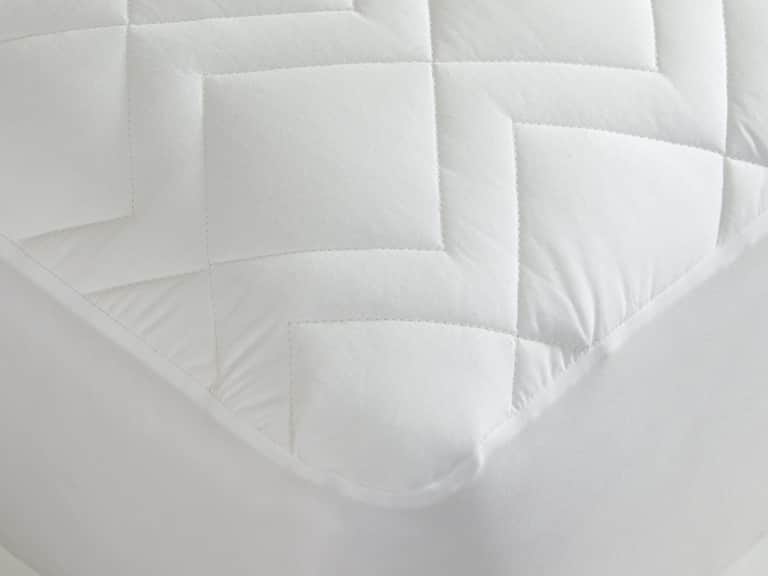
The DownTown Company Waterproof Quilted Mattress Pad exemplifies the blend of practicality and comfort that informs a well-rounded Fort Worth sleep strategy. Made from 100% cotton with a double diamond quilted design, it remains noiseless, moisture-wicking, and machine washable. Its deep-fit elasticized pocket ensures a secure fit across standard mattress depths, enhancing durability while preserving a clean, crisp sleeping surface. In high-humidity environments, such a pad can help maintain a balanced sleep environment by providing moisture resistance and easy care for everyday life.
Key product details (for reference): 100% cotton cover, double diamond quilting, waterproof barrier in waterproof variants, available Twin through Cal King sizes, care: machine washable. This pad is included here as an example of non-promotional accessories that can complement a regionally focused sleep resource like Fort Worth’s.
SKU WPP • ID 1214
Dimension-friendly moisture management with a durable, washable cover, designed to protect the surface without sacrificing surface quality.
Care: Machine washable; available in multiple sizes to suit common mattress depths.
Conclusion: A Localized, Credible Sleep Resource
Fort Worth sleepers deserve guidance anchored in climate awareness, sleep science, and practical tips. This article presents a framework for evaluating mattress types in a non-promotional, educational manner, emphasizing long-term comfort, credible sources, and a local lens. By focusing on the interplay between material science and the Fort Worth environment, readers gain a nuanced understanding of what to look for in a mattress—without the pressure of sales pitch.
As a continuing service to the Fort Worth community, the site can expand to include a concise sitemap with page titles and meta descriptions, or branch into an article plan tailored to local audiences. The overarching aim remains clear: empower readers to make informed, confident choices that align with climate, health, and everyday sleep needs.