Mattress Guides
What to Look for When Exploring Naturepedic Organic Mattresses
An organic label can be a useful starting point, but it is not the whole story. Learn how to examine materials, certifications, comfort, construction, and care so you can compare Naturepedic organic mattresses in terms that matter to your sleep and household.
Choosing a mattress is a close-to-home decision. It is where the body rests for hours at a time, where a sleeping position becomes a habit, and where small differences in surface feel can matter night after night. For shoppers drawn to organic materials, the research often begins with a simple question: what does “organic” mean in this particular mattress?
When exploring Naturepedic organic mattresses, the most useful approach is to look past broad descriptions and examine the details of each model. A mattress is a layered object: its cover, comfort materials, support core, fire barrier, adhesives, and assembly all contribute to its feel and composition. A certification may apply to a particular material or component rather than to every part of the finished product. Reading the product specifications alongside the certification information helps turn an appealing claim into something you can evaluate.
Comfort deserves equal attention. Organic materials do not automatically make a mattress soft, firm, cool, or suitable for every sleeping position. The right choice depends on your body, preferences, bed partner, foundation, and the way you actually sleep. A thoughtful comparison combines material scrutiny with a realistic assessment of comfort and practical care.
Start with the whole construction, not one headline claim
Mattress descriptions often foreground a single material: organic cotton, natural latex, or wool. Those details are important, but they describe only a portion of the system. Before comparing models, find a complete construction breakdown and note what is used in each layer.
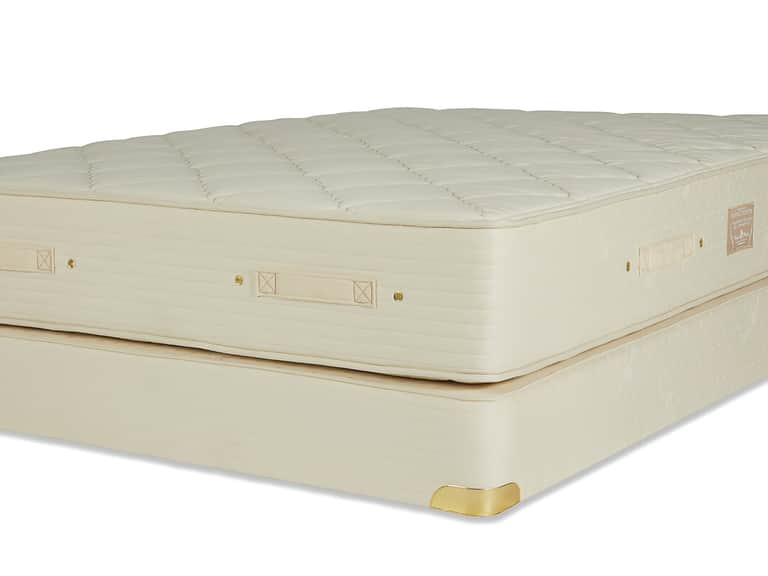
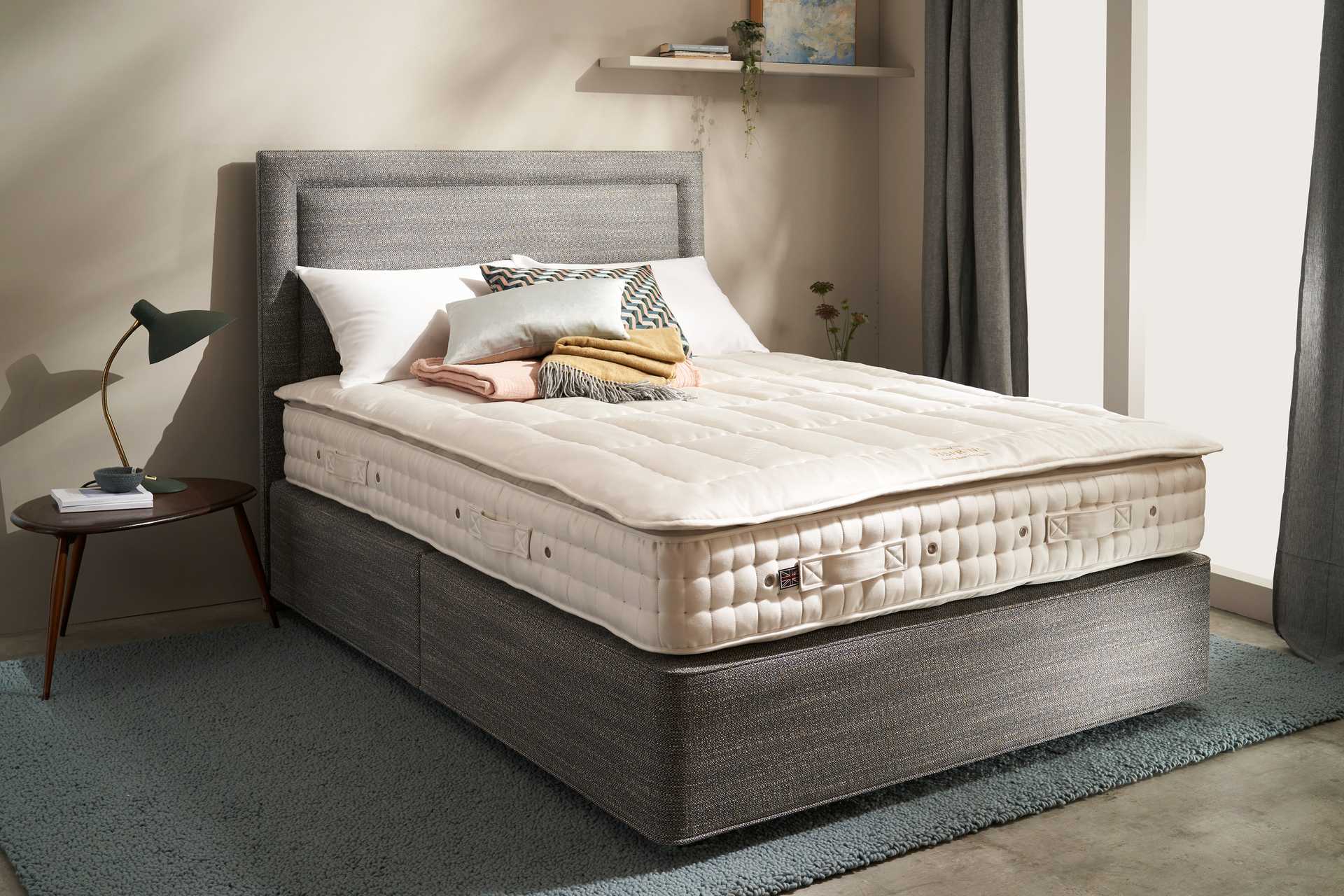
The cover is the first surface you touch. It may be made from cotton or another textile, and its quilting can contain wool, cotton, or additional cushioning. Beneath it, comfort layers shape how readily the mattress yields around the shoulders and hips. The support core provides the deeper structure. Depending on the design, it may use latex, coils, or another support material. A fire barrier and the methods used to join layers are also part of the overall construction.
For each mattress on your shortlist, try to establish:
- Which materials are used in the cover, quilting, comfort layers, and support core.
- Whether each material is organic, natural, recycled, or conventionally produced, and what documentation supports that description.
- Whether the mattress includes blended materials, synthetic components, or adhesives, and how the manufacturer describes them.
- Which certifications apply to the finished mattress and which apply only to specific materials or facilities.
- How thick the mattress is and whether its layers are arranged symmetrically or designed for one-sided use.
Specifics allow a fair comparison. Two mattresses can use similar organic fibers but differ substantially in their support systems, cushioning, firmness options, and certified components. Treat material names as clues to investigate, not as a complete description of how a mattress will perform.
Understand what certifications do—and do not—tell you
Certifications can help shoppers verify particular claims, but no single seal answers every question about a mattress. Programs differ in what they evaluate, what materials or processes they cover, and what standards they require. The key is to identify the exact certification, confirm its scope, and check whether it applies to the product or only to an individual component.
For example, a textile certification may address the organic status and processing of fibers within a defined supply chain. A chemical-emissions program may focus on testing for certain emissions from a product or material. A materials standard may restrict or assess substances in a component. These are different kinds of information. One does not automatically prove the other, and certification should not be treated as a general promise that a product has no chemicals or presents no risk.
When reviewing a Naturepedic product page or label, look for the certification name, the organization behind it, and a clear explanation of the certified scope. If the wording is not precise, ask whether the certification applies to the cover fabric, the latex, the finished mattress, or the manufacturing process. If a product is described as certified organic, clarify which materials have that status and how the claim is documented.
It is also helpful to distinguish an independent certification from a brand’s own statement about sourcing or design. A manufacturer may provide useful information about its materials and production methods, but that is not the same as verification by an outside program. Both types of information can be relevant; they simply answer different questions.
Keep your evaluation measured. Certifications can support transparency and help narrow options, but they are not a substitute for checking construction, comfort, care needs, or fit for your household. If you have a specific sensitivity or health concern, consult a qualified health professional rather than assuming that an organic designation resolves it.
Compare materials by their role in the mattress
Natural and organic materials are often discussed as a group, yet each performs a different job. Understanding that job makes product descriptions easier to interpret and helps keep marketing language in perspective.
Cotton and other cover textiles
Cotton is commonly used in mattress covers and quilted surfaces. Its feel depends on the weave, weight, quilting, and materials beneath it. A cotton cover does not, by itself, reveal how supportive or plush the mattress will feel. Look for the fiber content and whether the textile is certified organic, then consider how its construction contributes to the surface feel.
Wool and quilted layers
Wool may appear in quilting or as part of a fire-barrier design. It can add a slightly cushioned surface and is often described in relation to moisture management and temperature comfort. The amount, placement, and processing matter. Ask whether it is used as a thin quilted layer or a more substantial comfort component, and check the mattress care instructions before deciding whether it suits your routine.
Latex comfort and support
Latex can be used in comfort layers or as a major part of the support core. Its responsiveness differs from the slower, more enveloping feel many people associate with some other foams. It may feel springy, buoyant, or firm depending on formulation, thickness, and surrounding layers. “Natural latex” is a material description, not a guarantee of one particular firmness or a universal comfort result. Ask about the latex type, layer thickness, and any available firmness choices.
Coils and other support structures
Some mattresses use coil systems to provide support and a different kind of responsiveness. Coil count alone is not a complete measure of quality or comfort. Coil design, gauge, zoning, edge construction, and the materials layered above the springs all influence the experience. If a model combines coils with organic textiles or other materials, compare the entire build rather than focusing on one component.
For a useful material comparison, write down what each layer does and how it may affect feel. Then separate verified facts—such as stated fiber content or layer thickness—from impressions such as “luxurious,” “cooling,” or “pressure relieving.” Those descriptions may offer clues, but your comfort assessment should come from testing the mattress when possible and reviewing the trial policy carefully.
Match comfort to the way you sleep
There is no single firmness level that works for all bodies. Comfort is personal, and the same mattress can feel different to two people because of differences in body shape, weight, preferred position, and sensitivity to pressure. Start by noticing how you sleep most often, then use that information to guide your questions—not to dictate an answer before you try the mattress.
Side sleepers commonly pay close attention to cushioning at the shoulder and hip, since these areas may press more deeply into the surface. Back sleepers may prefer a balance that supports the body without making the lower back feel unsupported. Stomach sleepers often consider whether the surface allows the midsection to sink more than they find comfortable. These are general considerations, not medical rules; individual needs vary.
For couples, differences in sleeping position and firmness preference can make the decision more complex. Ask how a mattress handles movement across the surface, whether it offers different firmness choices on each side, and whether its dimensions provide enough room. If one sleeper tends to move frequently, test how much motion is noticeable on the other side. Do not assume that a material label alone predicts motion control.
When visiting a showroom, spend enough time on each candidate to notice more than the first impression. Lie in your usual sleeping position, relax, and pay attention to pressure points and whether your body feels supported. If possible, try the mattress with a pillow similar to the one you use at home. A brief test cannot reproduce weeks of sleeping, but it can help rule out an obviously unsuitable surface.
If buying online, investigate the sleep trial in detail. Check how long it lasts, when the period begins, whether a minimum break-in period applies, and what steps are required to return or exchange the mattress. Confirm whether delivery, pickup, or other charges may apply. A clear trial policy is useful, but the practical conditions matter more than the headline number of nights.
Consider Fort Worth’s sleep environment
In Fort Worth, seasonal weather can shape what people notice at bedtime. Warm nights, indoor cooling, household humidity, and personal temperature preference all influence comfort. A mattress marketed as breathable or temperature regulating may still feel different from one sleeper to another, and no material can compensate for every room or bedding choice.
When comparing models, ask what evidence supports temperature-related claims and consider the construction as a whole. A breathable cover, quilted materials, and the layers beneath it interact; the sheets, mattress protector, and room conditions add further variables. If you tend to sleep warm, think about the whole bed rather than expecting one mattress material to create a cool environment on its own.
For local shoppers, another practical consideration is access. If you can test a model in person, note the model name and configuration carefully, since showroom samples may differ from the version you are researching. If a local retailer carries the mattress, ask about delivery access, setup requirements, removal of an old mattress, and policies for a Fort Worth-area address. These logistics are not glamorous, but they are part of choosing a mattress that will work in your home.
Check the foundation, dimensions, and bedroom fit
A mattress performs on a foundation, not in isolation. Before ordering, check the manufacturer’s support requirements and confirm that your bed frame or platform meets them. A slatted base may need a particular spacing between slats; an adjustable base may have limits on compatible mattress types or sizes. Using an unsuitable foundation can affect comfort and may also have implications for warranty coverage.
Measure the room, the bed frame, and the route into the bedroom. A mattress that fits the frame can still be difficult to move through a narrow stairwell or doorway. Consider total bed height after adding the foundation, mattress, protector, and bedding. If a model is especially heavy or bulky, confirm how delivery and setup are handled.
Also check whether the mattress is designed to be rotated or flipped. Some constructions are one-sided, while others may be made with usable surfaces on both sides. Follow the manufacturer’s guidance rather than assuming that turning a mattress over is always appropriate. The design, not a general rule of thumb, should determine how it is maintained.
Read the warranty and care instructions before purchasing
Care details reveal how a mattress fits into everyday life. Review instructions for spot cleaning, ventilation, rotating, and protecting the surface. Some materials and constructions have specific care limits; a removable-looking cover, for instance, should not be assumed to be washable unless the manufacturer says so. Ask what cleaning methods are permitted and what may void a warranty.
A mattress protector can help guard against spills and everyday soil, but its fabric and construction may change the feel of the bed. If you choose one, consider how it affects breathability and surface texture. Make sure it fits the mattress depth, especially if the bed has a thick quilted top or a deep comfort layer.
Warranty coverage generally addresses defined defects under stated conditions. It is not necessarily a promise that the mattress will retain its original feel indefinitely, nor does it usually cover every change a sleeper may notice. Read the exclusions, foundation requirements, and documentation rules. Keep the receipt, model details, and any care records in a place you can find later.
It is also worth checking the expected delivery timeline and what happens if the mattress arrives damaged or the wrong model is delivered. Confirm the process for exchanges, returns, and warranty claims before completing the purchase. A calm review of these terms can prevent confusion when you are tired, moving house, or trying to resolve an issue quickly.
Build a practical comparison shortlist
Research can become overwhelming when every product page uses a different vocabulary. A simple comparison sheet keeps attention on the details that are most likely to influence your decision. List two or three models and record the same information for each one.
- Construction: note each layer, its material, and its stated thickness where available.
- Certification: record the certification name and exactly what it covers.
- Feel: write down the available firmness options and your own impressions from testing.
- Sleep fit: consider position, pressure comfort, movement, and whether you share the bed.
- Foundation: check compatibility with your frame or adjustable base.
- Care: note cleaning, rotation, and protector recommendations.
- Policies: compare delivery, trial, exchange, return, and warranty terms.
- Household priorities: identify the material or sourcing information that matters most to you.
Make a separate list of questions that remain unanswered. Useful questions are specific: “Which layers are certified organic?” is more actionable than “Is the mattress natural?” Likewise, “Can this model be used on my slatted frame, and what spacing is permitted?” is more useful than a general question about compatibility.
Questions worth asking about Naturepedic models
Product ranges and specifications can change, so verify the details for the precise model and size you are considering. These questions can help structure a conversation with a retailer or the manufacturer:
- What materials are used in every layer, including the cover, comfort system, support core, and fire barrier?
- Which components are certified, and can you explain the scope of each certification?
- Are any materials blended, and how are the terms “organic,” “natural,” or “chemical-free” being used?
- What firmness choices are available, and can I test the same configuration I would purchase?
- How should the mattress be supported, rotated, cleaned, and protected?
- What are the exact conditions of the sleep trial, including return and exchange costs?
- What does the warranty cover, and what foundation or care requirements must be followed?
- How does delivery work for my address, and are setup or old-mattress removal available?
Clear, direct answers are a useful sign of a transparent buying process. If a detail is important to your decision and cannot be confirmed, treat it as unknown rather than filling the gap with an assumption.
Avoid common organic-mattress assumptions
One frequent assumption is that “organic” describes every component in a finished mattress. The term may apply to specific fibers or materials, while other parts have different classifications. Check the documentation and product description rather than extending a label beyond its stated scope.
Another assumption is that natural materials are automatically right for every sleeper. They can be appealing for many reasons, but comfort still depends on firmness, construction, body shape, and preference. A mattress can have carefully chosen materials and still feel wrong for the person using it.
Shoppers may also expect certifications to predict durability or comfort. Certifications answer defined questions about materials, processes, or testing; they do not necessarily establish how long a mattress will last or how well it will support a particular person. Construction, use, foundation, and care all play a role.
Finally, do not mistake a high price or a long list of materials for a guaranteed better match. A useful mattress is one whose verified construction, comfort, policies, and household fit align with your priorities. The goal is not to gather the most impressive claims; it is to make a decision you can explain in practical terms.
A more confident way to choose
Exploring Naturepedic organic mattresses becomes easier when you separate the decision into four parts: what the mattress contains, what its certifications verify, how it feels to you, and how it will work in your home. Start with the construction and documentation. Compare materials according to their role. Test comfort in your usual sleeping positions, and examine the trial, care, warranty, and delivery terms before you commit.
There is no need to solve every question at once. Begin with the priorities that matter most—perhaps a particular material, a certain firmness, or a certification you want to verify. Then narrow the field by checking the details that affect daily use. A careful shortlist can make mattress shopping less like deciphering advertising and more like a grounded household decision.
For Fort Worth shoppers, local conditions and logistics belong in that decision too: think about the bedroom environment, the foundation already in place, and how delivery or returns would work at your address. The most reassuring choice is not simply the one with the most appealing label. It is the one whose materials are clearly described, whose comfort suits your needs, and whose care and policies make sense for the life you lead.