Sleep & Bedding
How Wool Comforters Help Balance Warmth and Breathability
A good comforter does more than hold heat. It helps shape the small climate around the sleeper—warm enough to feel inviting, breathable enough to avoid a clammy, close sensation. Wool’s unusual mix of insulation and moisture management makes it one natural option for that balancing act.
Night arrives, the room cools, and the bed becomes its own landscape. Beneath the covers, body heat gathers; moisture from the skin moves into the layers around it. A comforter must respond to both. One that traps too little warmth can leave a sleeper reaching for another blanket. One that holds heat and moisture too stubbornly may feel stifling. Wool comforters are often valued because wool can insulate while also helping moisture move away from the body.
That does not make wool a universal answer, or guarantee a particular sleep experience. Comfort depends on the comforter’s fill weight and construction, the room’s temperature and humidity, the sleeper’s preferences, and the other bedding in use. Understanding how wool works—and what product details to check—can help you decide whether it belongs in your sleep setup.
The bedding climate beneath the covers
When people talk about a comforter feeling warm, they are usually describing more than the temperature of its filling. The sensation comes from an interaction among the body, the room, the fabric touching the skin, and the layers that hold or release heat. A comforter’s job is partly to slow the loss of body warmth, but its construction also affects how air and water vapor travel through it.
The body releases moisture during sleep, even when a person does not notice sweating. If that moisture becomes trapped in bedding, the surface can feel damp or muggy. Breathability describes how readily air and moisture vapor can move through a material or a finished bedding layer. It is not a promise that a comforter will keep every sleeper cool, nor does it mean that the material feels airy under every condition. It is one property among several that influence comfort.
Wool fibers have a naturally crimped structure, and wool can hold pockets of air within a filling. Still air slows heat transfer, which helps explain wool’s insulating reputation. Wool can also absorb moisture vapor into the fiber and release it as surrounding conditions change. This combination—insulation alongside moisture management—is why wool bedding is often described as balancing warmth and breathability.
The word “balance” matters. Wool does not actively set the bed to a chosen temperature, and it cannot cancel the effects of an overly warm room, heavy sleepwear, or multiple thick layers. Rather, the fiber’s characteristics can contribute to a sleep environment that feels less sharply divided between warm and stuffy.
How wool manages warmth and moisture
Wool is a natural animal fiber with a structure that can take in water vapor while remaining capable of providing insulation. The moisture it absorbs is not the same as liquid water sitting on the surface. In practical terms, wool may help buffer changes in the microclimate around the sleeper, but its capacity has limits. A comforter can become uncomfortable if the bedding is saturated, the room is persistently humid, or ventilation is poor.
That distinction helps separate wool’s useful properties from inflated claims. Wool is not a cooling device, and a wool comforter will not necessarily feel cool to the touch. In a cold room, its insulation may feel welcome; in a warm room, a high-fill or tightly constructed comforter may still be too much. A material’s fiber properties matter, but the finished product matters too: fill amount, quilting, shell fabric, and overall construction all play a role.
Breathable bedding is a system, not a single ingredient. The comforter’s outer fabric can affect the way air moves and how the surface feels. Sheets, mattress protectors, blankets, and sleepwear add their own layers. Even the bed’s position in a room, the ventilation available, and seasonal changes in humidity can influence how the entire setup behaves.
For that reason, wool’s reputation for temperature regulation should be read as a description of potential material behavior, not a guarantee of personal results. People differ in how warm they sleep, how much weight they like on the bed, and how sensitive they are to texture. The best indicator remains how a particular construction performs in your own environment.
Choosing the right warmth: fill weight and construction
Fill weight is one of the most useful details to investigate when comparing wool comforters. It refers to the amount of filling used, though brands may present measurements differently. More fill often means a loftier, heavier, warmer layer, but weight alone cannot tell you exactly how a comforter will feel. Fiber preparation, quilting pattern, shell material, and the way filling is distributed can change the result.
If you tend to sleep warm or keep the bedroom heated, a lighter wool comforter may be a more comfortable starting point than a dense, heavy one. If the room is cool, or you prefer substantial coverage, a higher-fill option could make more sense. A “lightweight” label is not standardized across every maker, so look for a stated fill weight or season rating and ask how the maker defines it.
Quilting holds filling in place and shapes the comforter’s loft. Smaller quilted sections can help limit the distance filling travels, while other constructions use channels or larger compartments. No single pattern is automatically best. Check whether the product description explains how the wool is secured, whether the filling is evenly distributed, and how the comforter should be shaken or aired during routine care.
Shell fabric deserves equal attention. Cotton is a common choice, but fabric weight and weave vary. A closely woven shell may help contain fine fibers, while its feel and airflow depend on its specific construction. If you are sensitive to texture, ask about the surface fabric and consider whether a removable duvet cover is recommended. A cover can alter the hand-feel of the bed and adds another layer between the sleeper and the comforter.
Terms such as “all-season” can be convenient, but they are not a substitute for the details. One person’s year-round comforter may feel too warm to another. Check the product’s actual dimensions, fill information, care requirements, and return policy rather than relying on a broad seasonal label alone.
Wool compared with lighter and heavier bedding
A lighter cotton blanket or coverlet can suit warm weather or sleepers who want minimal insulation. It may provide a breathable, low-profile layer, but it will usually offer less warmth than a substantial comforter. Cotton’s feel also varies with weave and weight, so the fiber name by itself does not describe the whole experience.
Down and down-alternative comforters can provide considerable loft and insulation. Their warmth depends on fill quantity and construction, just as it does with wool. Some sleepers prefer their airy, compressible feel; others want a different weight or material. Comparing a comforter’s specifications is more informative than assuming one filling is always warmer or cooler than another.
Wool occupies its own place in this range. It may appeal to someone seeking natural fill with insulating capacity and moisture-handling properties, especially if a bed often feels warm and damp beneath covers. Yet wool may not be the right choice for someone who prefers an exceptionally light layer, wants machine-washable bedding, or reacts to wool fibers. A cotton blanket, a washable synthetic comforter, or a different natural filling could better match those needs.
Consider the whole bed before replacing a comforter. A thick mattress topper, flannel sheets, a waterproof protector, and a heavy duvet cover can all add warmth or affect moisture movement. Sometimes removing one layer or changing the sheet fabric makes more difference than buying a new comforter.
Seasonal use in a changing climate
Wool bedding is sometimes presented as naturally suited to every season, but the phrase can obscure practical differences. A medium-weight comforter may serve through much of the year in a home with moderate indoor temperatures. In a hot spell, it may be too insulating; during a cold snap, a lighter model may not provide enough coverage. Climate, air conditioning, heating habits, and personal preference all shape the answer.
In a place such as Fort Worth, where warm periods and cooler nights can occur within the same year, flexible layering may be more useful than searching for one layer that must work in every condition. A breathable sheet, a lighter coverlet for warm nights, and a comforter for cooler periods can be adjusted as the weather shifts. Wool may contribute warmth when needed, while other layers can be removed when the room feels too warm.
For homes with strong air conditioning, the indoor sleep climate may be more important than the outdoor forecast. Someone who keeps the bedroom cool may welcome a wool comforter even in summer, while another person in the same city may need a much lighter cover. Track what actually affects your comfort: whether you wake too warm, whether your feet feel cold, and whether the room or the bedding seems to be the source of discomfort.
Seasonal storage also matters. Follow the maker’s directions before packing a comforter away. Bedding should be clean and completely dry before storage, and a breathable storage bag is generally preferable to trapping natural fibers in a damp or poorly ventilated space. Avoid assuming that every wool comforter can be washed at home.
Care, durability, and practical details
Care requirements can be a deciding factor. Some wool comforters are spot-clean only or require professional cleaning; others may have specific washing instructions. Water, heat, agitation, and unsuitable detergents can damage or shrink wool. Read the care label before purchase, not after an accidental spill, and follow the manufacturer’s directions closely.
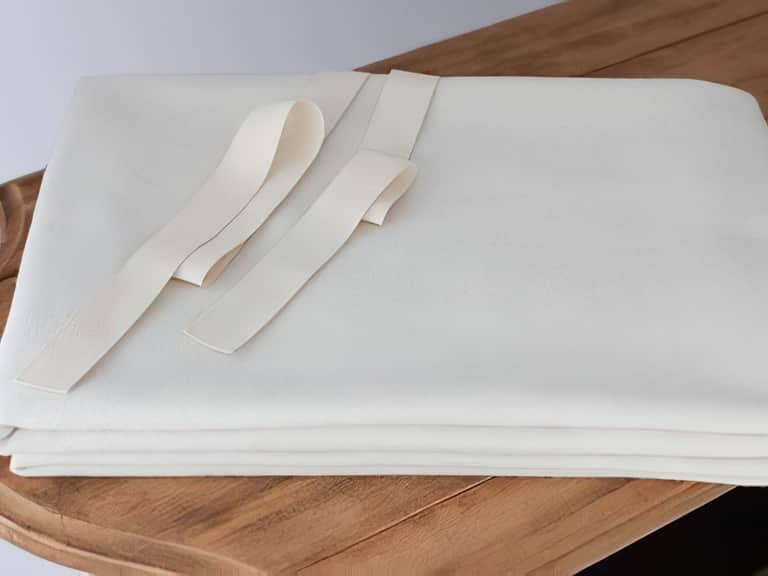
A duvet cover can reduce everyday contact with oils, dust, and minor spills, making routine care more manageable. It does not eliminate the need to air or clean the comforter according to its instructions. Check whether the comforter includes corner loops or ties to secure it inside a cover, and confirm that the dimensions match. A mismatch can lead to bunching or uneven coverage.
Natural fibers may appeal to people looking to understand the materials in their bedding, but “natural” alone does not establish quality, safety, or environmental impact. If sourcing is important to you, look for specific, verifiable information about the wool, processing, and relevant certifications. Certification standards differ in what they assess, so check the scope rather than treating a label as a universal guarantee.
People with wool sensitivity or allergies should take care when evaluating a product. Reactions may relate to fiber contact, lanolin residues, dust, or other parts of the bedding, and individual circumstances vary. A tightly woven cover may reduce direct contact but will not resolve every sensitivity. If you have a medical concern, seek advice from a qualified health professional rather than relying on a bedding description.
A practical checklist before you choose
Instead of shopping by fiber name alone, use a short list of questions to compare wool comforters with other bedding. Clear specifications make it easier to judge whether a product fits your bedroom and routines.
- How warm should it feel? Consider your usual sleep temperature, room conditions, and the layers already on the bed.
- What is the fill weight? Look for a stated amount and an explanation of any season or warmth rating.
- How is the filling held in place? Check quilting, channels, or compartments and whether the maker describes the construction.
- What is the shell made from? Consider fabric feel, weave, and whether you plan to use a duvet cover.
- How should it be cleaned? Make sure the required care is practical for your household.
- Does the size fit your bed and cover? Compare actual measurements rather than relying only on “queen” or “king.”
- What is the return or trial policy? A comforter’s feel is personal, so understand the terms before committing.
- Are material claims specific? Look for clear sourcing and certification information if those details matter to you.
These questions also help distinguish a comforter intended for warmth from a thinner wool layer designed for a different purpose. Bedding categories can sound similar, but their construction and intended use are not interchangeable. Confirm that the item is actually a comforter, and review its specifications rather than inferring performance from the word “wool.”
Finding a comfortable balance
Wool’s appeal lies in a useful pairing: it can help retain warmth while absorbing and releasing moisture vapor. That combination gives wool comforters a place in the broader conversation about breathable bedding, particularly for sleepers who want insulation without an excessively close feel. But fiber properties are only part of the story. Fill weight, construction, shell fabric, bedroom conditions, and personal preference determine how a comforter feels in daily use.
Start with the bed you have, not an abstract promise of perfect temperature regulation. Notice which layers make you overheat, which nights call for more coverage, and how much maintenance you are willing to do. Then compare products by their actual materials, weight, care instructions, and dimensions. In the quiet geography of a bedroom, comfort is rarely a single feature. It is the result of layers working together—and of finding the combination that suits the person beneath them.